One Hundred Years of Solitude - Gabriel Garcia Marquez
Anathem - Neal Stephenson
When We Cease to Understand the World - Benjamin Labatut
"Allow no sleep to come upon your tender eyes, before thrice examining the days deeds. 'Where did I err? What did I accomplish? What did I not do of all that I ought?' And starting from the first, proceed to all the rest. For the bad deeds reprove yourself, for the virtuous rejoice. Work on them, study them, make them most dear to you; it is these that will guide you on the path of divine virtue."
— Pythagoras, The Golden Verses
"To be musical is to 'make music like God makes trees.'"
— James Jordan, The Conductor's Gesture
"It is gratefulness which makes the soul great."
— Abraham Joshua Heschel, Man's Quest for God
"Never in any case whatever is a genuine effort of the attention wasted."
— Simone Weil, Love in the Void
"It's worth noting how rarely myths describe music originating as entertainment or works of artistic expression."
— Ted Gioia, Music
"Music, to create harmony, must investigate discord."
— Plutarch, Moralia
"What a man calls beauty is the harmony of all he experiences."
— Hazrat Inayat Khan, The Mysticism of Sound and Music
"One way not to [listen to it] is to focus on the notes and stuff like that. Instead, try to move your imagination toward the sound. It's a matter of following the sound... follow the sound, the pictures, the colours. You have to watch them move."
— Donald Ayler, As Serious As Your Life
"Important lessons: look carefully; record what you see. Find a way to make beauty necessary; find a way to make necessity beautiful."
— Anne Michaels, Fugitive Pieces
"Happiness is wild and arbitrary, but it's not sudden."
— Anne Michaels, Fugitive Pieces
"Whoever must play, cannot play."
— James Carse, Finite and Infinite Games
"Art sets truth to work."
— Martin Heidegger, The Origin of the Work of Art
"Art sets truth to work."
— Martin Heidegger, The Origin of the Work of Art
"...the thinkers whose insight withstood the test of time, from Socrates to Husserl, were of a different breed. They were the perennial beginners, taking the sense of lived experience in its primordial immediacy for their subject matter. Their stance was one of wonder, not of sophistication; the task they undertook was one of articulation—and their virtue was naivete, a willingness to see before theorizing, to encounter the wonder of being rather than enclose themselves in cunningly devised theories."
— Erazim Kohák, The Embers and the Stars
"It is, surely, good that there are synthetic medicines to ease the surplus of pain, telephones to break through loneliness, and electric lights to keep the wayfarer from stumbling. There is, though, something wrong when we use medicine to deaden our sensitivity, when we obliterate solitude with electronics and blind ourselves with the very lights we devised to help us see."
— Erazim Kohák, The Embers and the Stars
"[John Coltrane] felt that music was like the universe, which influenced me. You look up and see the stars but beyond them are many other stars. He was looking for the stars you can't see."
— McCoy Tyner, As Serious As Your Life
"As it happens I am still committed to the idea that the ability to think for one's self depends upon one's mastery of the language."
— Joan Didion, Slouching Toward Bethlehem
"There are more things in Heaven and Earth, Horatio, Than are dreamt of in your philosophy."
— William Shakespeare, Hamlet
"I am certain, first, that to take part in a music act is of central importance to our very humanness, as important as taking part in the act of speech... and second, that everyone, every normally endowed human being, is born with the gift of music no less than with the gift of speech. If that is so, then our present-day concert life, whether 'classical' or 'popular,' in which the 'talented' few are empowered to produce music for the 'untalented' majority, is based on a falsehood. It means that our powers of making music for ourselves have been hijacked and the majority of people robbed of the musicality that is theirs by right of birth, while a few stars, and their handlers, grow rich and famous through selling us what we have been led to believe we lack."
— Christopher Small, Musicking
"Everything simple is false. Everything which is complex is unusable."
— Paul Valéry
"From the age of six, I had a passion for copying the form of things and since the age of fifty I have published many drawings, yet of all I drew by my seventieth year there is nothing worth taking into account. At seventy-three years I partly understood the structure of animals, birds, insects and fishes, and the life of grasses and plants. And so, at eighty-six I shall progress further; at ninety I shall even further penetrate their secret meaning, and by one hundred I shall perhaps truly have reached the level of the marvellous and divine. When I am one hundred and ten, each dot, each line will possess a life of its own."
— Hokusai, colophon to One Hundred Views of Mount Fuji
"Understanding of the self only arises in relationship, in watching yourself in relationship to people, ideas, and things; to trees, the earth, and the world around you and within you. Relationship is the mirror in which the self is revealed. Without self-knowledge there is no basis for right thought and action."
— J. Krishnamurti
"People need to speak, look, smell, touch, experience vocal tone, facial expression, make jokes, sit back, shift gears, and evolve their ideas and feelings in front of each other in order to produce meaning. They need to eat together."
— Sarah Schulman, Conflict is Not Abuse
"Meanwhile, the winds will keep blowing away our beautiful care. That's okay. That's as it should be. Most of what is wildly worthwhile is achingly impermanent."
"They are like solitary people. Not hermits who’ve stolen away from society out of some weakness, but great, lonely people, like Beethoven or Nietzsche. The world rustles in their uppermost branches, their roots rest in the infinite, but they do not lose themselves in either, they work with all the strength of their lives toward just one thing: fulfilling their own law that lives within them, shaping their own form, becoming their own selves. Nothing is more sacred, nothing more exemplary, than a strong and beautiful tree."
— Hermann Hesse, Trees
"If you're consistently two or three times more focused in each moment of life, then you're living two or three times bigger, two or three times richer."
— Shinzen Young, The Science of Enlightenment
"If you wish to not get stuck, seek to perceive what you have not yet perceived."
"Most often attention is confused with a kind of muscular effort. If one says to one's pupils: 'Now you must pay attention,' one sees them contracting their brows, holding their breath, stiffening their muscles. If after two minutes they are asked what they have been paying attention to, they cannot reply. They have been concentrating on nothing. They have not been paying attention. They have been contracting their muscles."
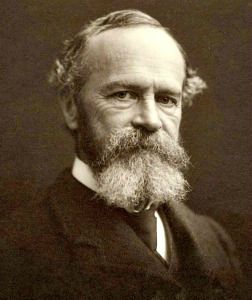 William James
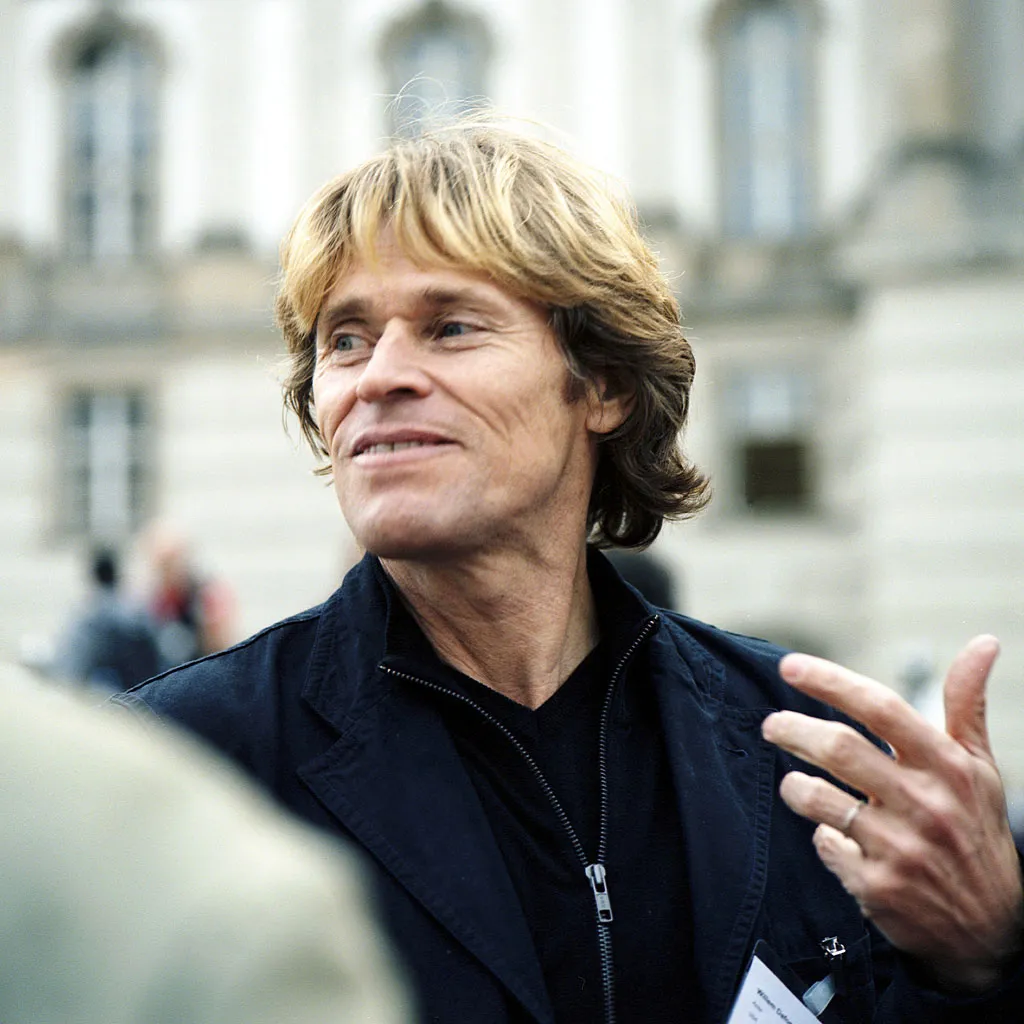 Willem Dafoe
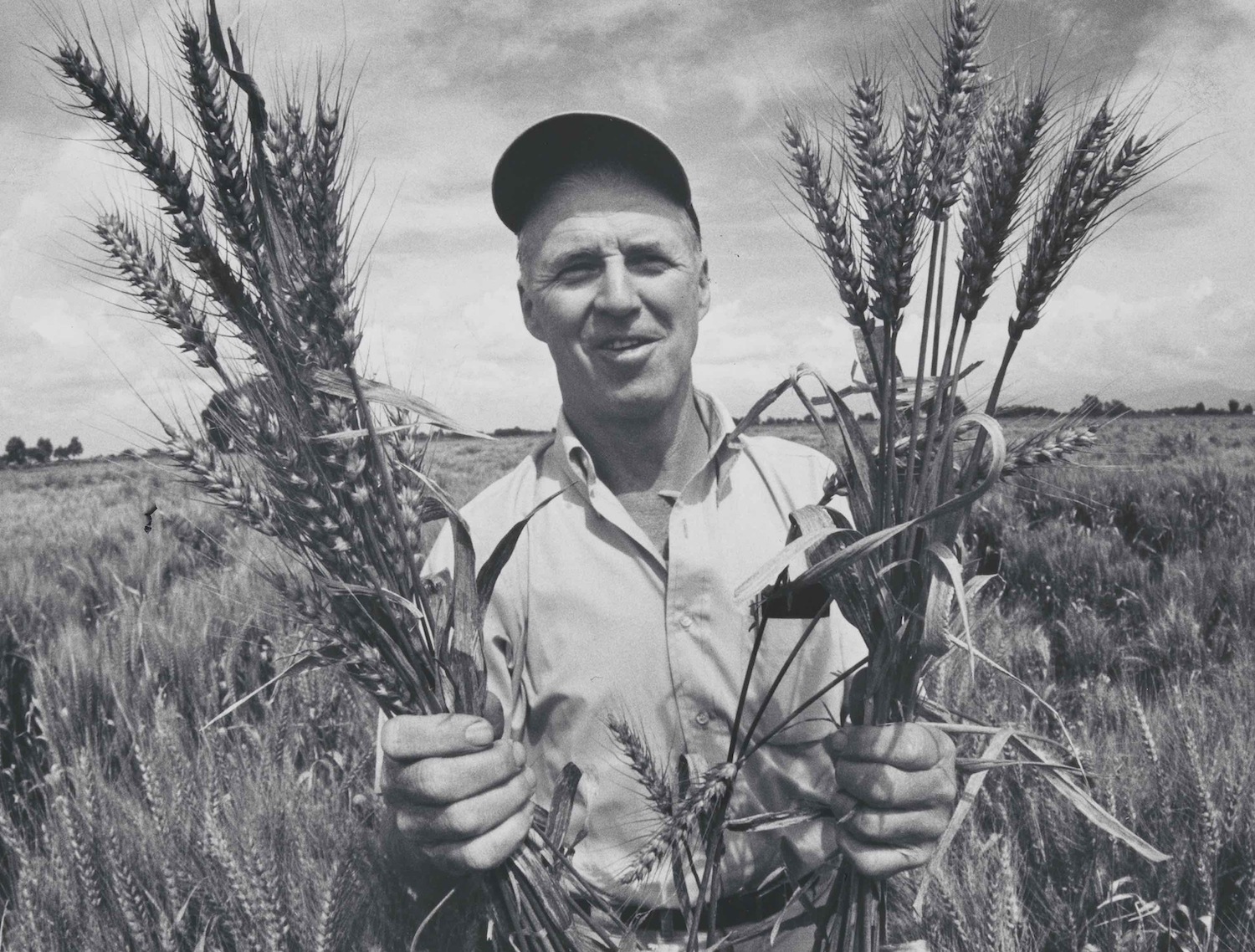 Norman Borlaug
 Ralph Nader
 Anne Sullivan
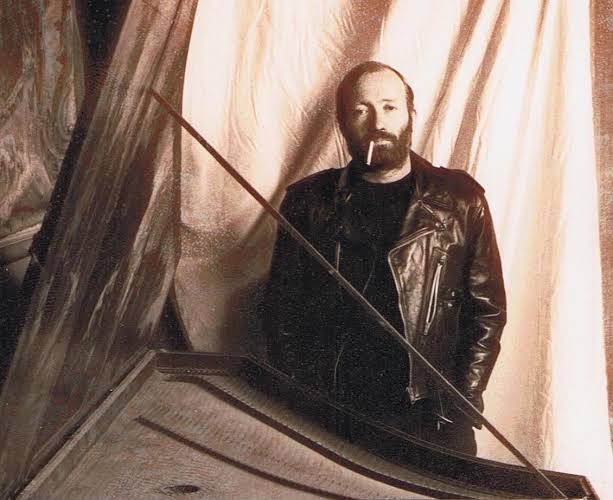 Scott Ross
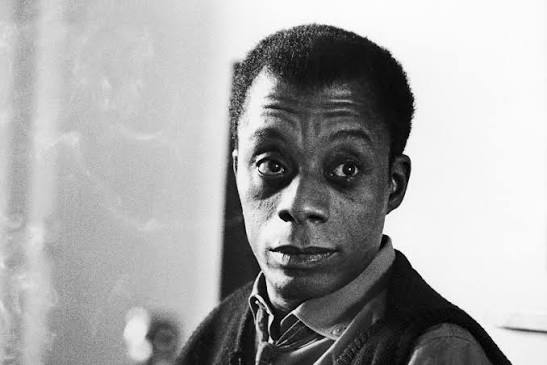 James Baldwin
 Hayao Miyazaki
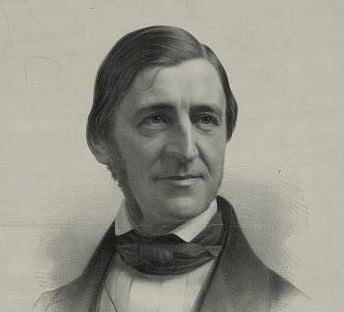 Ralph Waldo Emerson
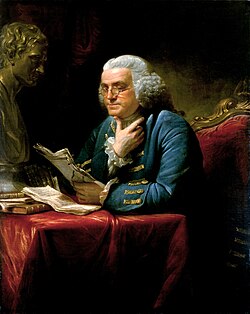 Benjamin Franklin
 Michelle Wu
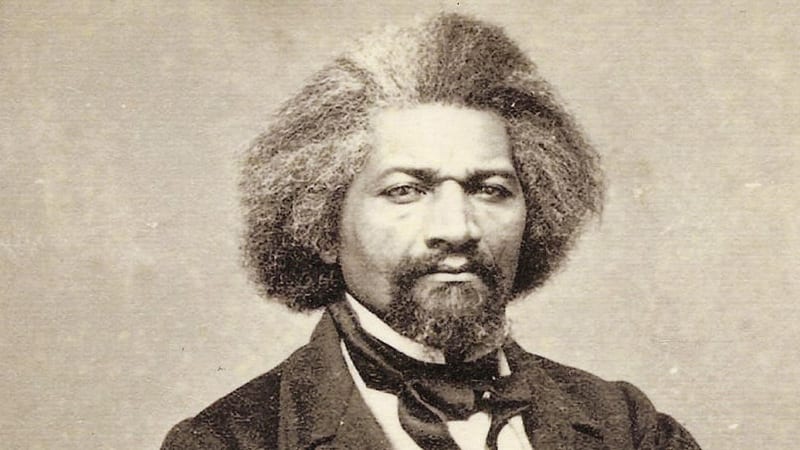 Frederick Douglass
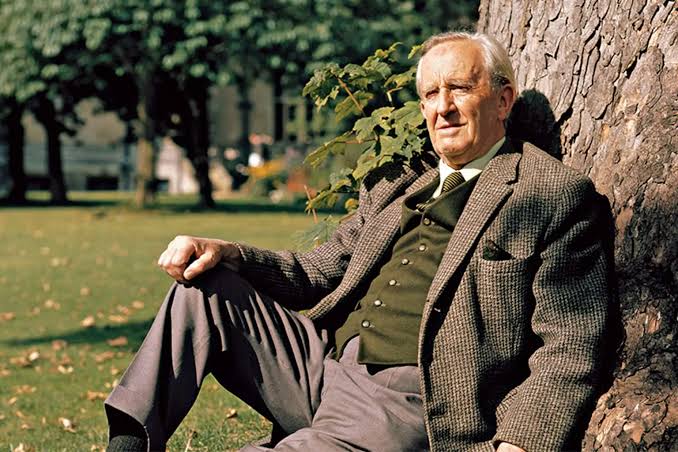 J.R.R. Tolkien
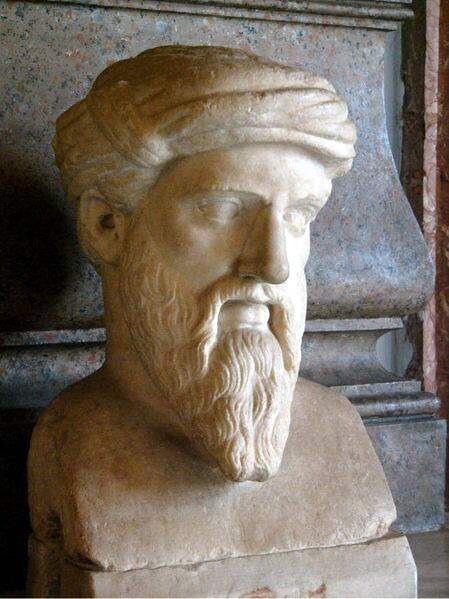 Pythagoras
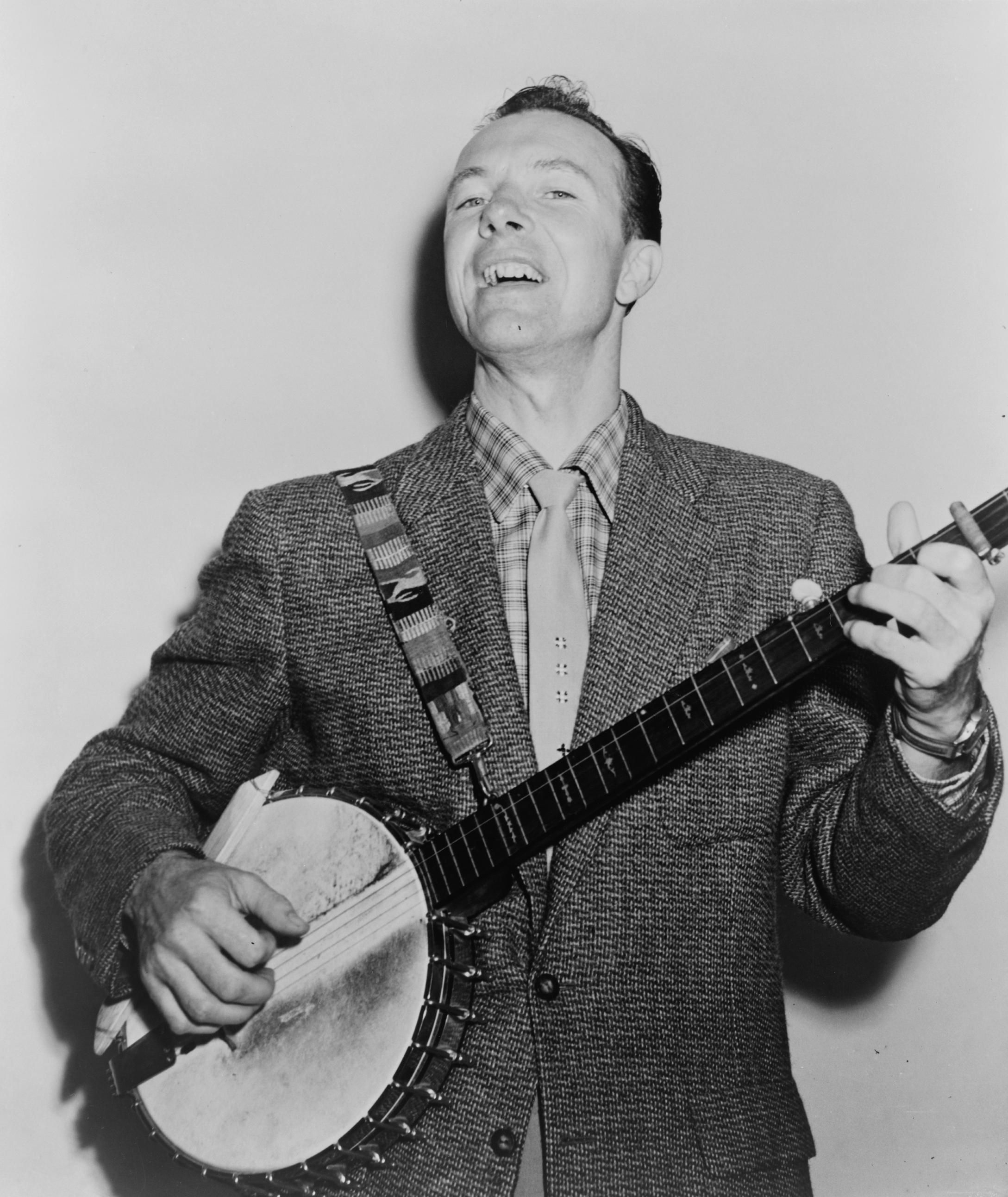 Pete Seeger
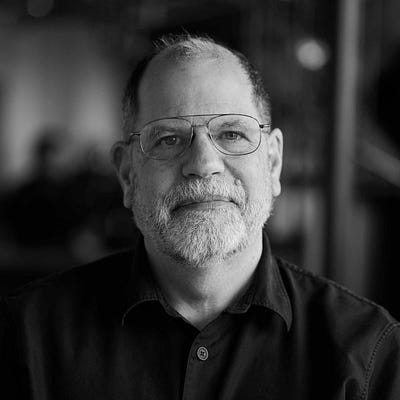 Tyler Cowen
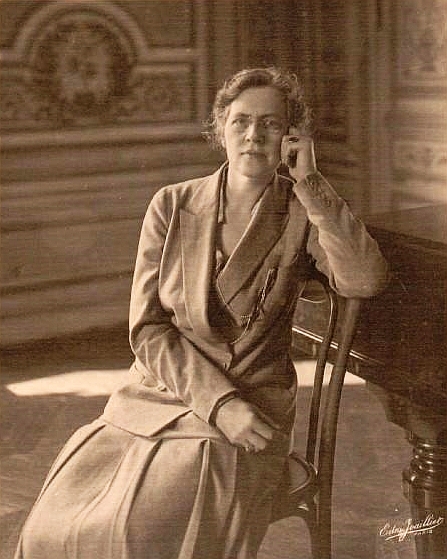 Nadia Boulanger
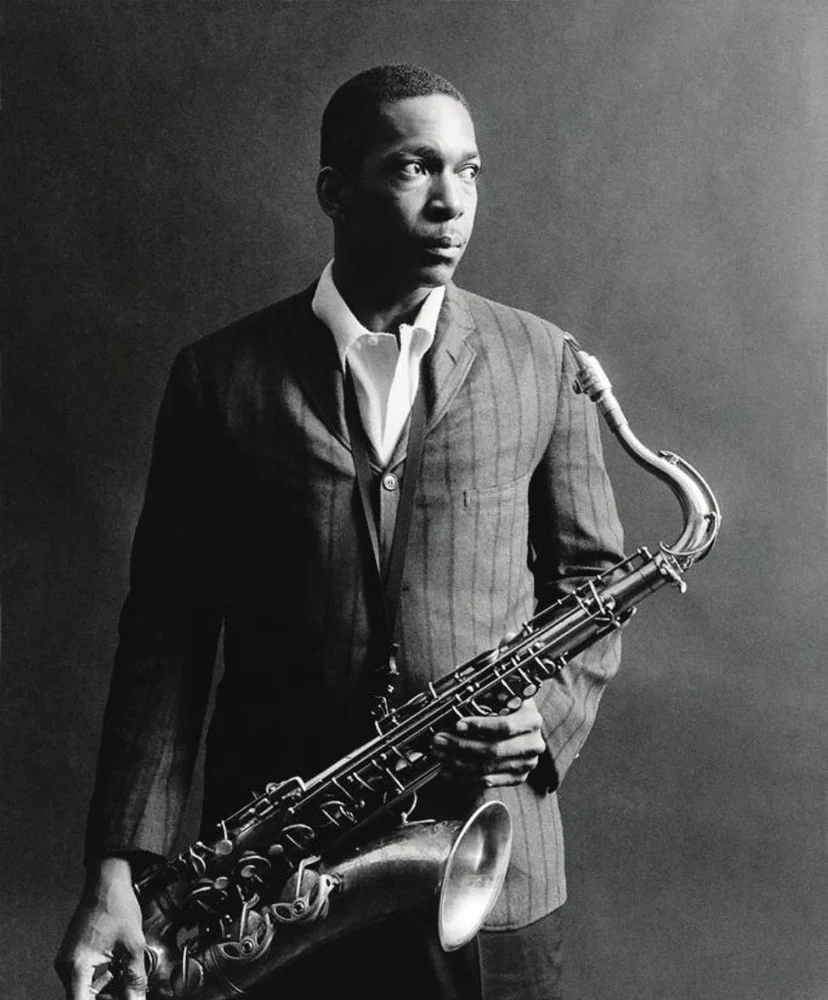 John Coltrane
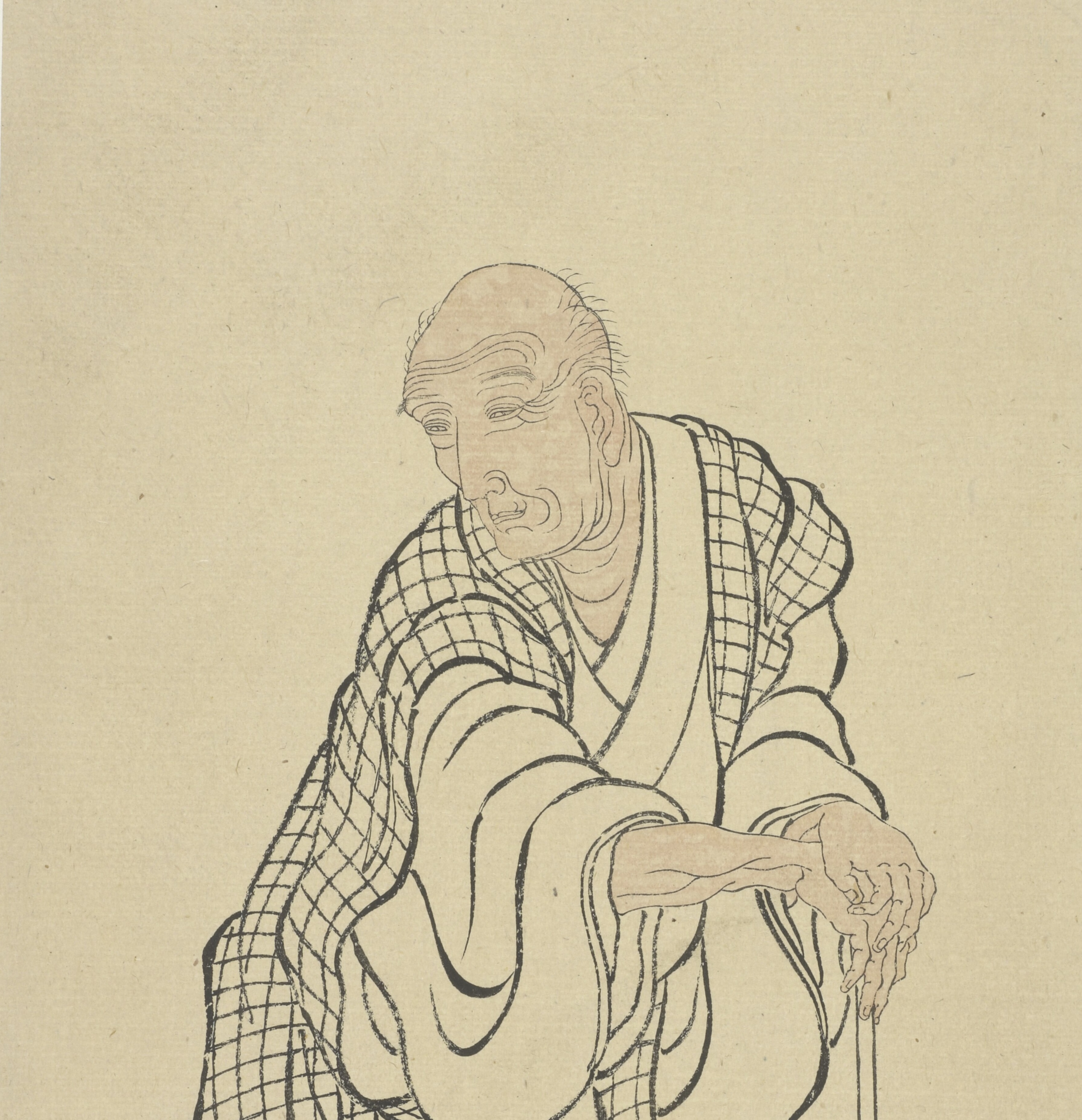 Hokusai